
The Sensory Shield: Designing for Focus.
In an era of relentless digital friction, your physical surroundings are either a catalyst for fatigue or a fortress for clarity. We examine the mechanics of intentional space.
"The shield is not a wall that blocks the world; it is a filter that admits only the essential." — Methodology Note 04
Acoustic Sovereignty
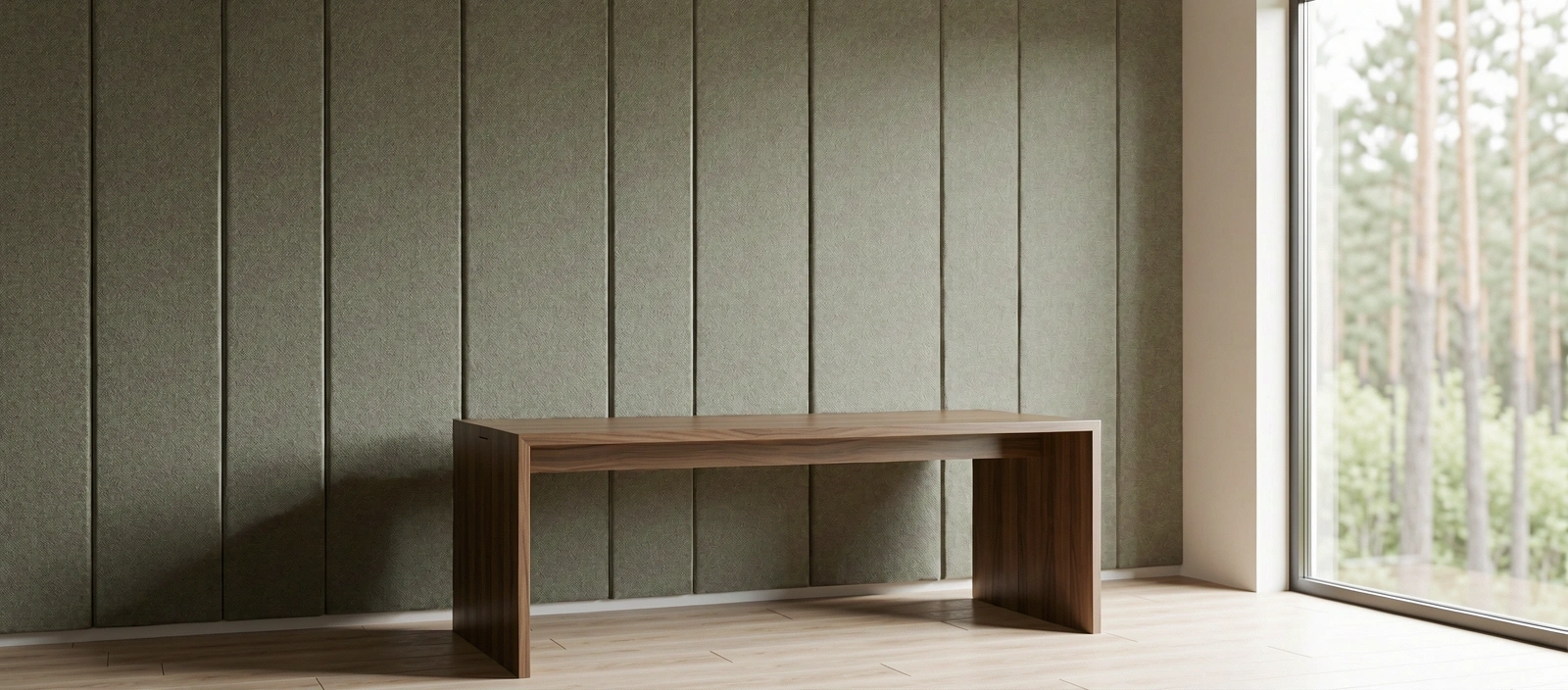
Sound is the most invasive of all external stimuli. Unmanaged ambient noise forces the brain to constantly filter, leading to high-frequency cognitive fatigue without the user ever realizing it.
Visualizing the Sound Well
Constructing a sensory shield begins with the "Sound Well" concept. This involves layering soft textures—heavy linen curtains, dense wool rugs, and cork surfaces—to shorten the reverberation time in a room. When sound doesn't bounce, the brain doesn't have to process the echo, instantly lowering the baseline of cognitive effort required to simply exist in the space.
For those in urban environments, we advocate for the addition of brown noise or low-frequency organic textures over active noise-canceling technology, which can sometimes produce "pressure sensations" that add to sensory strain for sensitive individuals.
Air Quality as Stimulus
Passive CO2 buildup mimics the symptoms of information overload. Maintaining airflow is as critical as maintaining silence.
Lux Management
The shield requires a transition from blue-heavy overhead lighting to warm, indirect light paths that follow the circadian rhythm.
The Digital Threshold
Framework Protocol
EST. 2026.4.7
Information overload is rarely the result of a single large event. It is the cumulative friction of micro-interactions—notifications, flickering displays, and the "ghost vibration" of a phone in a pocket.
Grayscale Transitions
Switching mobile interfaces to grayscale removes the dopamine hooks embedded in interface design, allowing you to use the tool without the tool using you.
Batch Consumption
Consolidating news, emails, and alerts into two designated "ingestion windows" per day protects the cognitive flow state from constant interruption.
Physical Displacement
Designating digital-free zones (such as the dining table or bedroom) creates a spatial boundary that the mind respects naturally.
Tactile Anchors & Proprioception
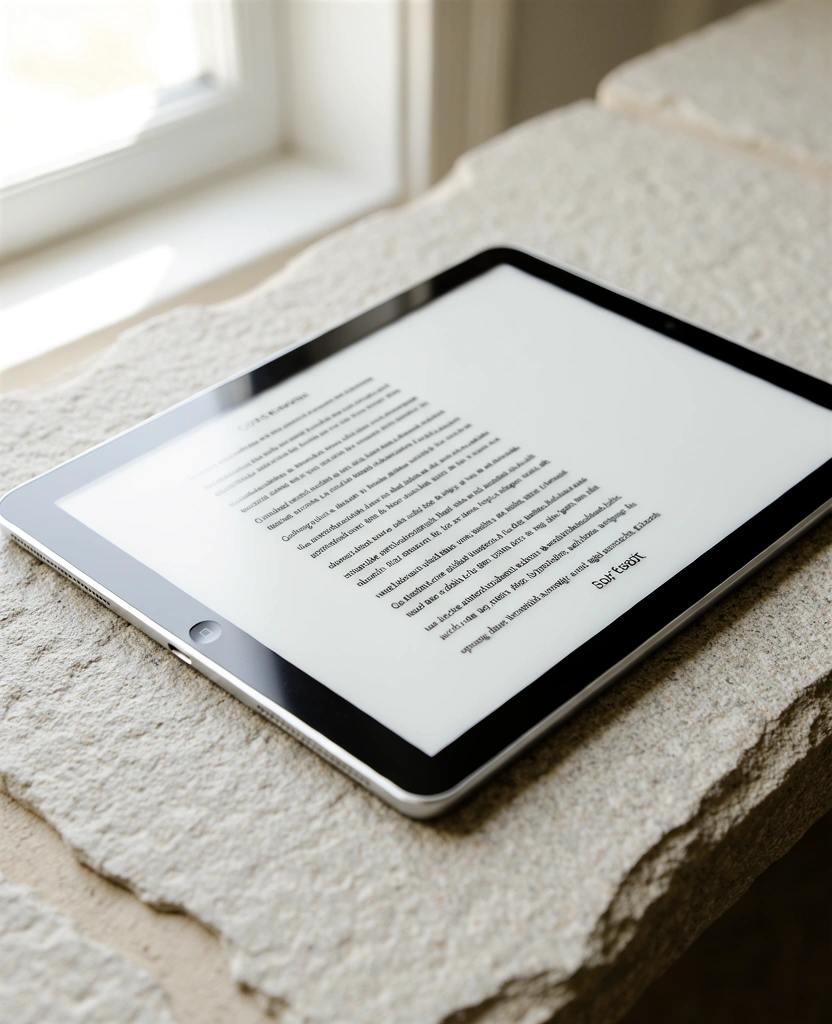
The Sensory Shield isn't just about removal; it's about intentional addition. We use tactile feedback to ground the nervous system when digital abstraction becomes overwhelming.
Weight as Comfort
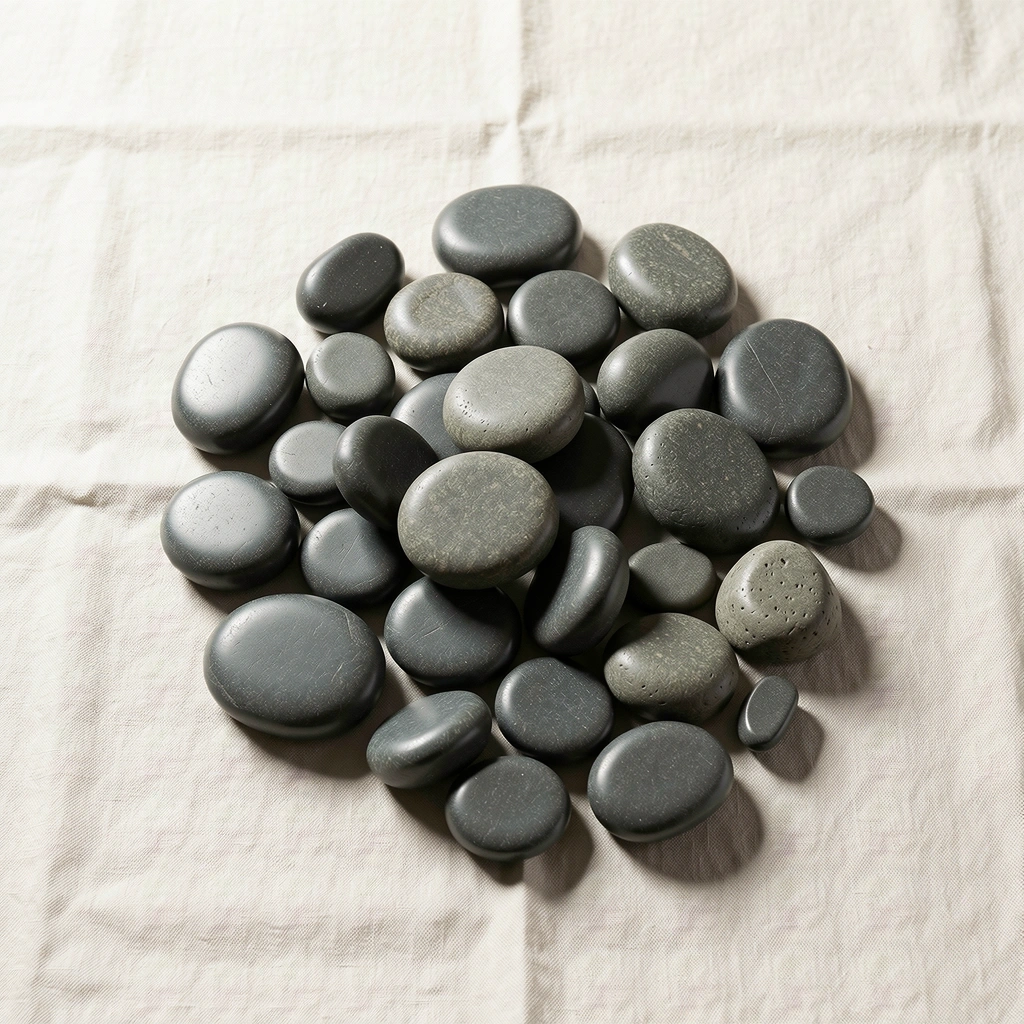
Weighted blankets or even heavy lap pads provide 'deep pressure stimulation,' which helps signal the brain to lower the production of stress hormones in high-stimulus environments.
Fiber Awareness
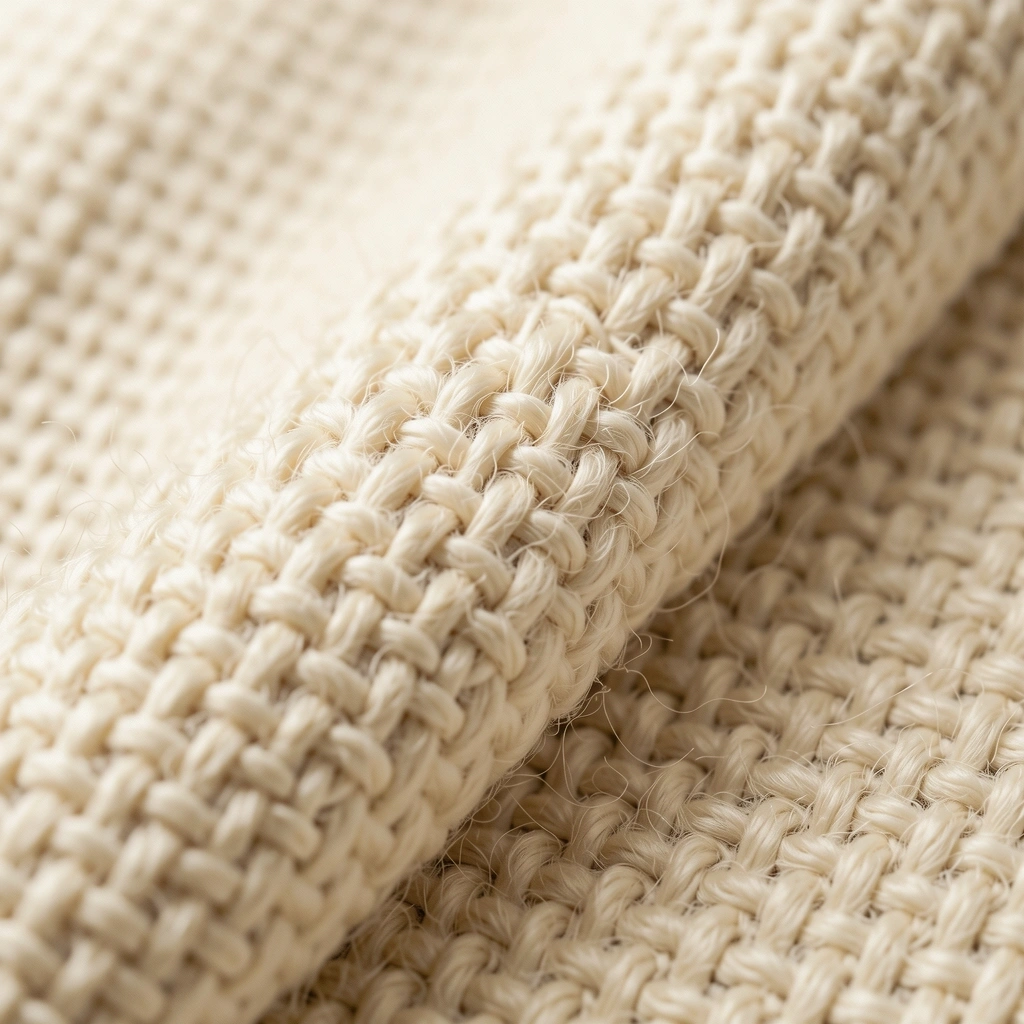
Synthetic fabrics can create micro-stressors through heat retention and static. Transitioning to organic fibers like hemp, linen, and Merino wool aids in passive thermoregulation.
Material Connection
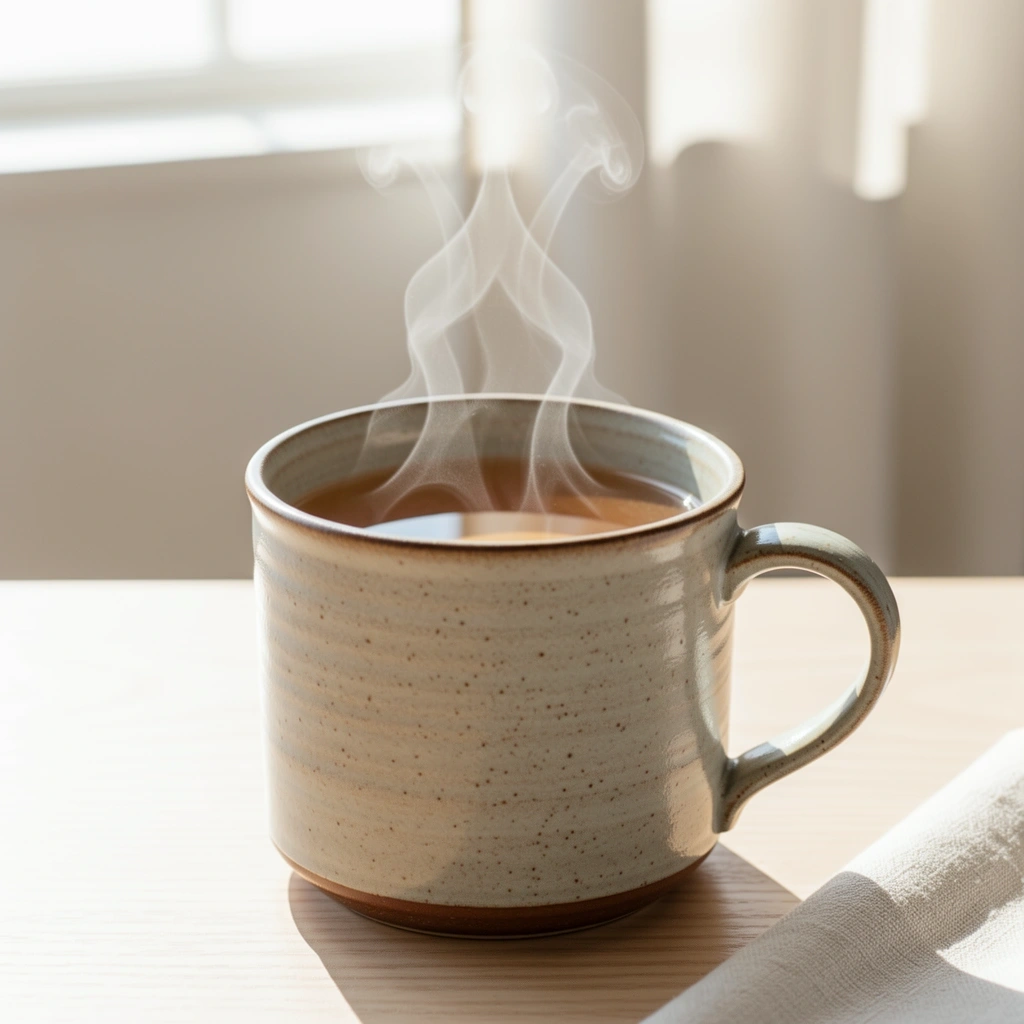
The use of ceramic, wood, and stone in everyday objects provides a "texture break" from the smooth, uniform plastic and glass of digital devices, re-engaging fine motor neurons.
Building Your Protocol
The Audit of Friction
Spend 48 hours observing your environment without changing it. Note every time a sound startles you, a light glares on your screen, or a notification breaks your train of thought. This map of friction is your first blueprint for the shield.
Subtractive Filtering
Remove unnecessary sources of vibration and light. This includes silencing non-essential appliances, covering intrusive LEDs on electronics, and clearing visual clutter from your immediate line of sight while working.
Atmospheric Density
Introduce your anchors. Set up your soundscape, adjust your lighting to warm spectrums, and place your tactile tools within reach. The goal is to create a "thick" atmosphere that feels protective and inward-facing.
Ready to reclaim your cognitive landscape?
Soporte Sensorial provides frameworks for better living in a high-information world. We focus on environmental and cognitive optimization.
Core Principles
Support Paths
Connect
- Contact Sevilla Office
- +34 95 568 7539
© 2026 Soporte Sensorial
Calle Betis, 10, Seville, Spain